Ten Things You Need To Be Aware Of Gutter And Downpipe Repair Near Me


Gutter and Downpipe Repair Near Me
Whether you need gutter installation or cleaning, or repair, this local company can help. Their technicians are highly skilled to handle any gutter problem. They provide complete customer service and top-quality work that can enhance the appearance of your home and increase its value.
Gutter spouts and downpipes, are exposed to Queensland's harsh climate every day. Here are some tips to keep them functioning well:
1. Clean your gutters regularly
Gutter cleaning can help protect your home from water damage, pests, mold, and much more. Rainwater can spill over from clogged gutters, causing damage to the walls and roof, as also your foundation and landscaping. Regular cleaning prevents this and helps your gutters last longer.
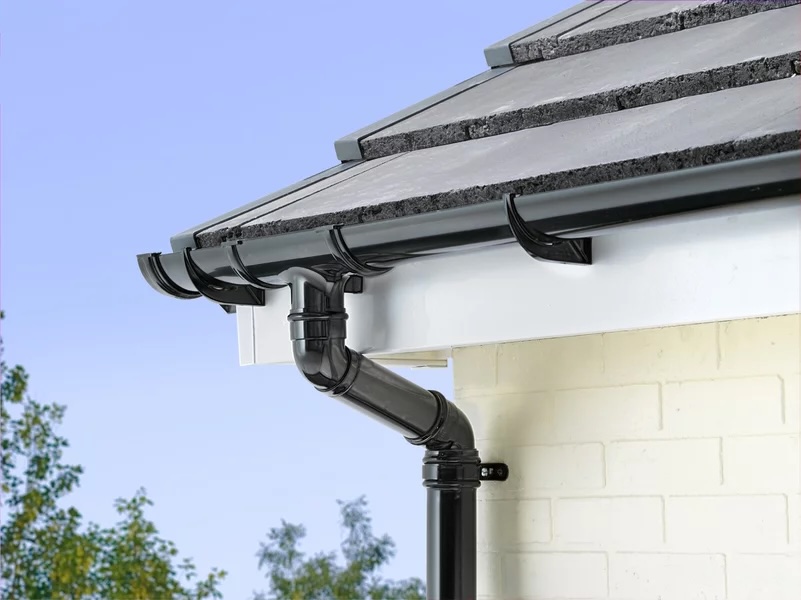
If you have a lot of trees in your yard, cleaning your gutters can be a frequent and messy job. It is recommended to clean your gutters in the autumn and spring however, you can do it throughout the year. If Downpipe Services notice plant growth in your gutters, stains on your siding of your house or standing water near the foundation of the house, these are all signs that it's time to get your gutters cleaned.
Clogged gutters can cause problems for your home, including leaky roofs as well as sagging gutters and staining your walls. If not checked, this can lead to expensive repairs. To prevent this from happening, you must clean your gutters regularly and repair them when needed.
Start by removing large pieces of debris using a handheld garden tool. Then make use of a hose to wash out the inside of your gutters beginning at the end of the guttering to the downpipe. This can be made easier if you have a wet/dry extension. This tool lets you clean your gutters while on a ladder, and it can also be used to access second story roofs from the ground.
If your gutters aren't totally blocked you can make use of the hose to wash out the inside of your downpipes too. Be sure to wear gloves as this could be a dirty job. You can also make use of the brush to get rid of any stubborn grime. Once you're finished, check that all of the debris has been cleared away and that your gutters are secured.
If your gutters aren't working properly, they can be fixed by replacing the clips that are faulty or by using galvanised bolts or nails to drive in screws or nails. You can also use gutter sealant to fix cracks and leaks. It is available in most hardware stores.
2. Install a gutter guard
Gutter guards prevent debris from clogging the gutters, and allow free flow of water. They do not completely eliminate the necessity to climb a ladder and regularly clean the gutters. Cleaning your gutters regularly of debris is crucial for making sure that water does not get into the downspouts, but not cause foundation problems or cause damage to your home. If you're tired and frustrated of climbing the ladder and cleaning your gutters, consider installing a gutter guard. It's an inexpensive method to reduce the frequency of your gutter cleaning, and it can also save your time and money in the long term.
Before you begin the installation process, it is essential to thoroughly clean your gutters. This will eliminate any obstructions or clogs that could hinder water flow through the gutters. This step can be done using a garden hose and gutter cleaning brush or scoop. After the gutters have been cleaned, it's important to check them and make sure the water flows freely through the downspouts.
If you're planning to install a gutter guard on your own it is important to select one that is in line with the aesthetics of your home and is compatible with the roofing materials that are on your house. There are many types of gutter guards, including foam and brush, micro-mesh screen, reverse curve, and reverse curvature. Some are not noticeable from the ground, while others are more visible.
It's important that you adhere to the instructions given by the manufacturer to install when you've picked a gutter guard. This will aid you in avoiding common mistakes that can cause the guards to not work correctly or cause damage to your roof or home.
Many DIY brands of gutter guards offer additional information about installation on their websites and other online resources. This is particularly useful for gutters and roofs that aren't traditional.
If you're unsure of how to put in your gutter guards, or if you require assistance in maintaining your roof and gutters it may be better to work with an expert. A professional will have experience with a variety of gutter and roofing types and can provide you with guidance on the type of gutter guard that is the best choice for your home.
3. Clean your downspouts
The downspouts and gutters that are blocked can be a real pain. They block water flow properly, which can lead to damage to your home or cause flooding in the basement. It is important to keep your gutter downspouts clean to avoid them becoming clogged, especially in the fall and spring when leaves fall. You'll need to climb an elevated ladder to remove any fallen leaves that are on top of your downspout. Also, you'll need to remove any downspout extension and divert any landscaping drains, and use a gardening trowel to loosen any debris that has accumulated in the gutter. Once the downspout is cleaned, rinse it using a hose to wash away any debris or leaves that remain.
If you don't have a ladder or can't get it close enough to the downspout, you could make use of a garden hose. Put the nozzle in the downspout and ask someone else on the ground to switch on the water. If the obstruction isn't too extreme, this approach will typically work.
Another alternative is to utilize the power washer. It can be used to break up even the toughest obstructions. However, it's essential to use it in a controlled manner to avoid damaging your gutters or downspout. If you don't own the power washer, you can use the high-pressure setting of your garden hose instead.
If none of these methods work, you'll have to use a handheld auger to clean out your downspout. This involves taking the underground drain out of the downspout. It's the best method to get rid of the blockage that is causing trouble. Wear gloves and eye protection when using this tool. After clearing the obstruction, try a low tech method like blowing or smacking to get rid of any remaining debris. You can also flush the downspout again with water to make sure it's completely clean. If you're still having trouble talking to a professional for advice. They can install gutter guards or other tools to prevent future clogs.
4. Repair a leak
A leaky downpipe or gutter could cause water damage to the walls of your property and may also lead to water seepage into your home. In some instances the damaged or cracked piece of guttering must be replaced. In other instances it is possible to solve the issue. This is particularly true for plastic gutters, which can leak at joints. Whatever type of guttering you have, the best way to repair a leak in your gutter is to clear the obstruction first before proceeding to use roof and downpipe sealant to fill any cracks or holes.
Metal gutters are susceptible to rust and corrosion especially in the areas where they join or are attached to the wall or the fascia boards. Using the wire brush to clean the area is recommended. Once the dirt and loose paint is gone, you can then apply the gutter sealant. It can be found in a wide range of trade counters or DIY stores and should be applied as according to the manufacturer's instructions. typically, it involves cleaning the area prior to applying the sealant, and then wrapping a length tape over the crack or joint making sure that the ends meet. After the tape has been applied, you can use your fingers to smooth and eliminate air bubbles, and then mould it to the shape of the fitting. After that, you are able to use a bucket filled with water or a water hose to flush the gutters to check for any leaks.
Plastic gutters don't corrode as easily as metal guttering, however they still can develop leaks at the joints and seams. These can be caused by blockages or by a faulty or old gutter seal. Plastic gutters can be repaired by the same process as metal gutters. However in the event that the seal has worn to the point of no return it is possible to replace the entire section of your gutter.